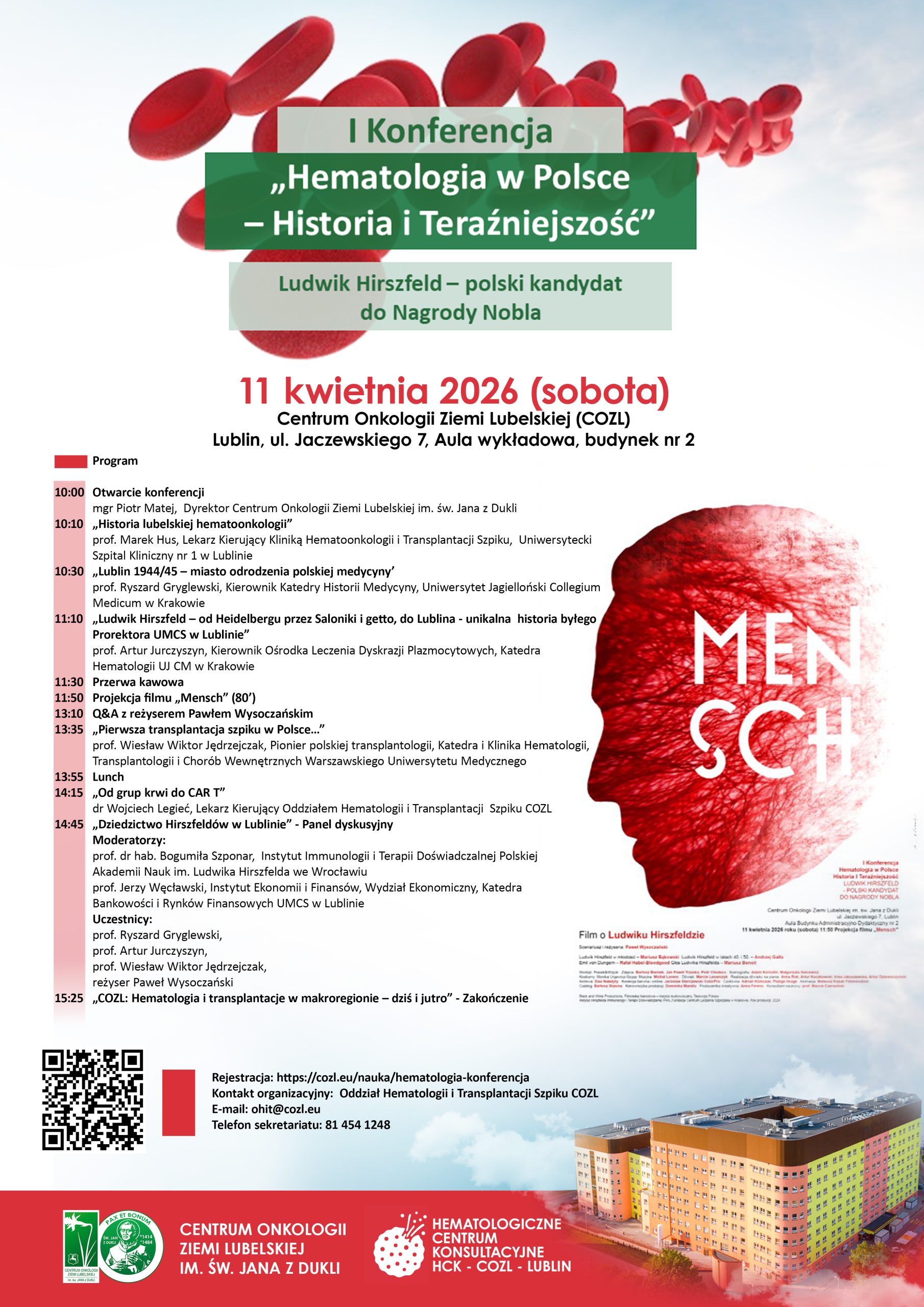
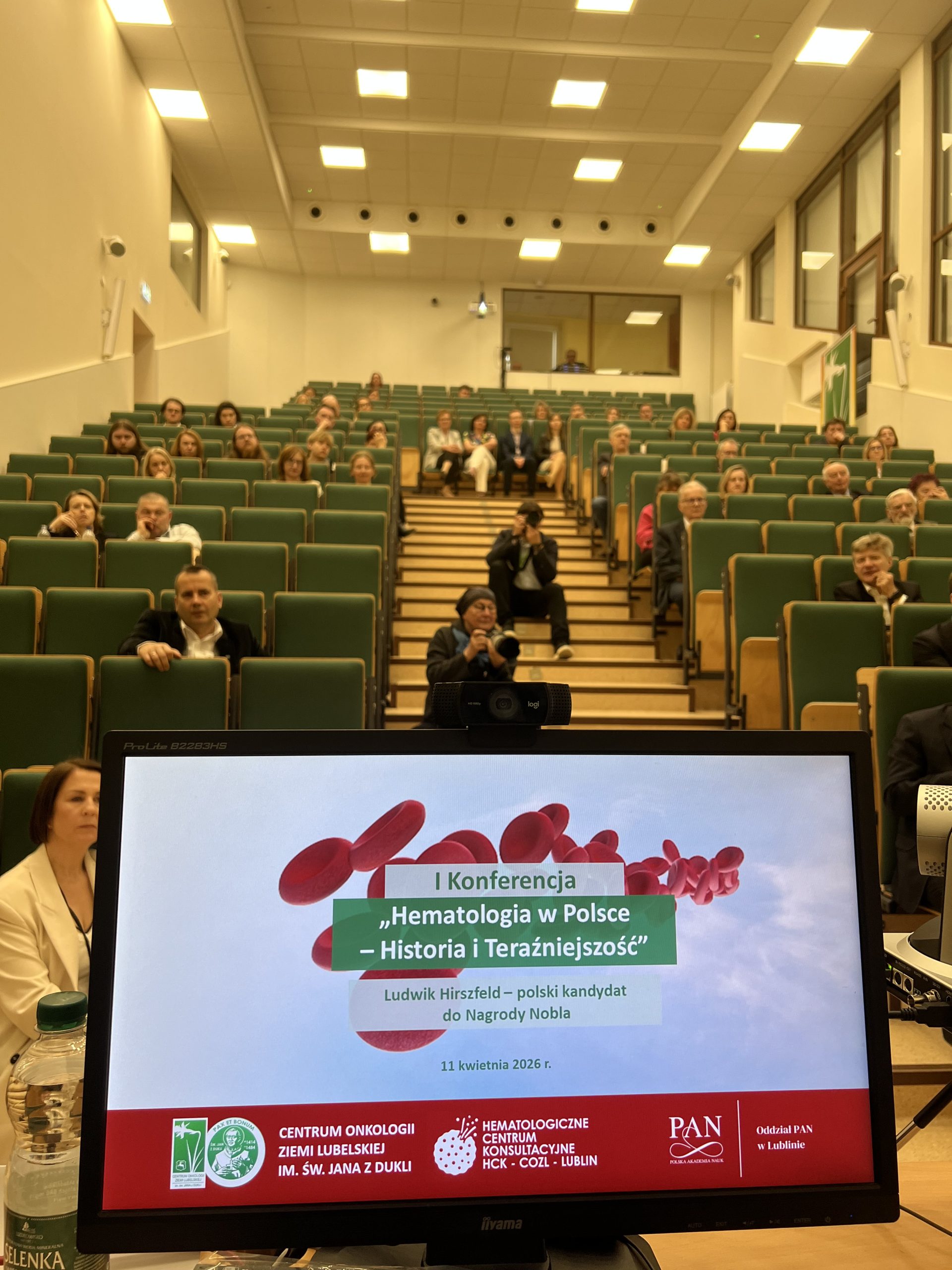
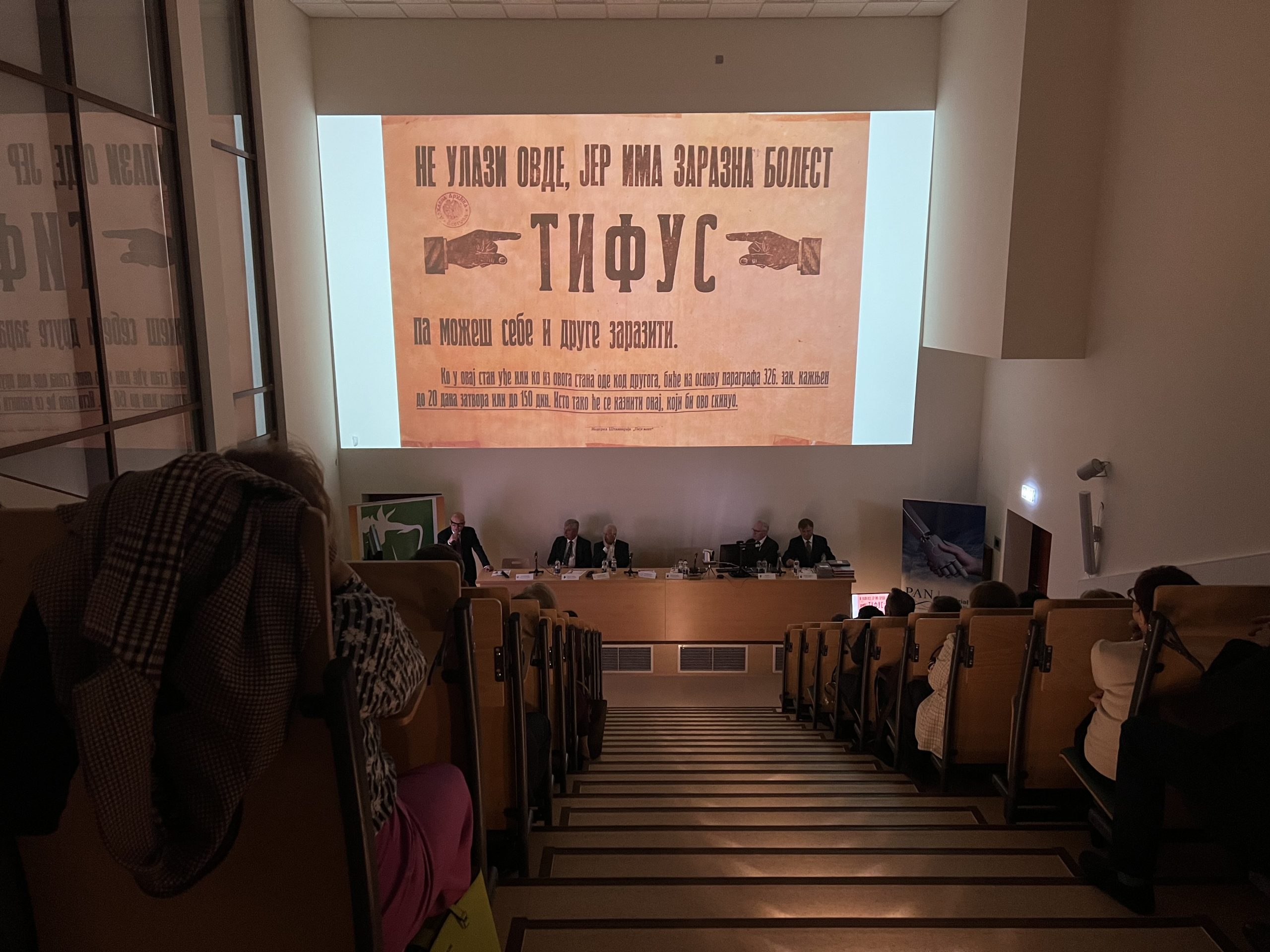
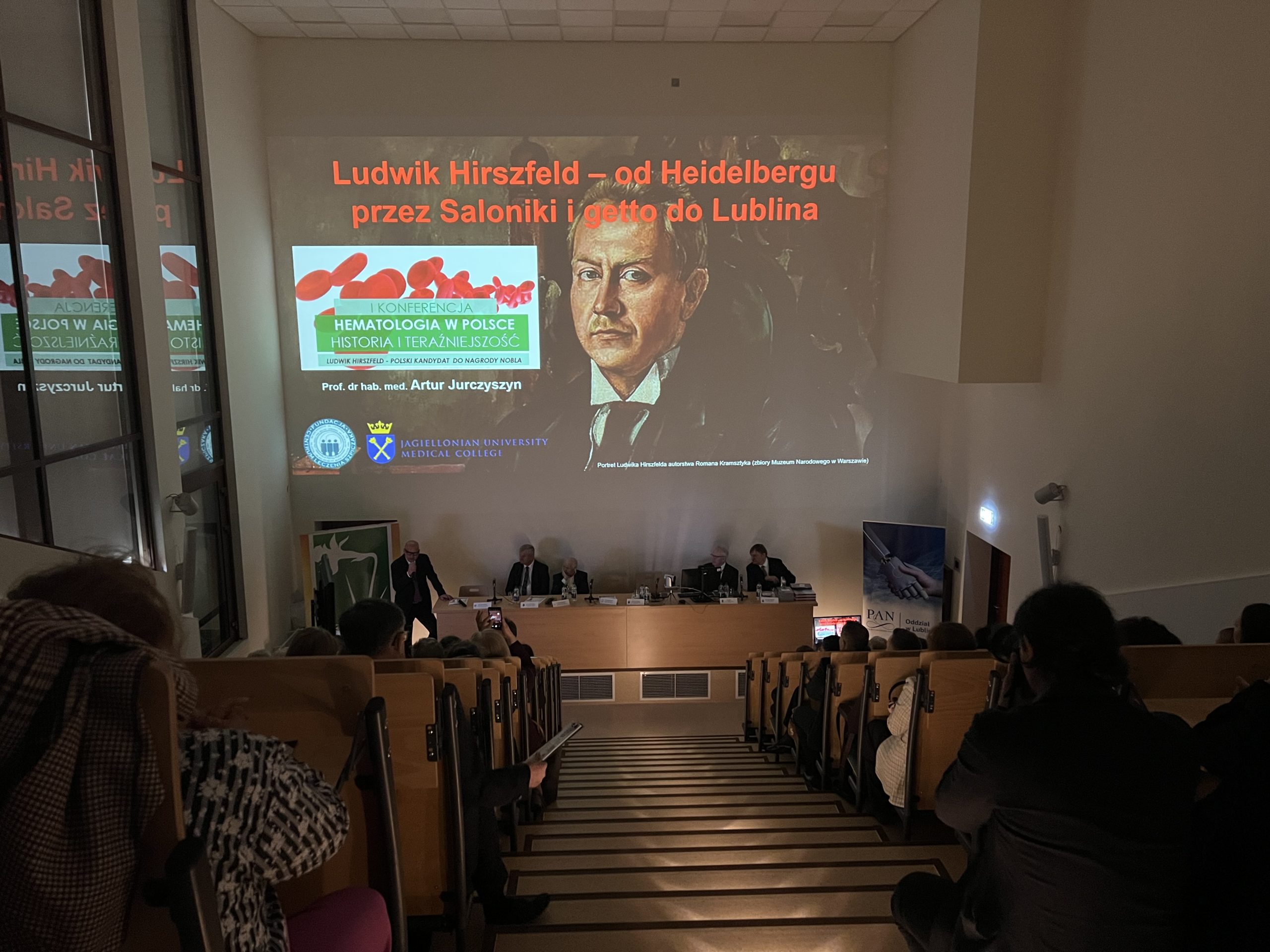
On 11 April this year, the Department of Haematology and Bone Marrow Transplantation at the St John of Dukla Oncology Centre of the Lublin Region (COZL) organised a conference entitled ‘Haematology in Poland – History and the Present Day’, a gathering of representatives from the medical, scientific and academic communities dedicated to the historical legacy and contemporary achievements of Polish haematology.
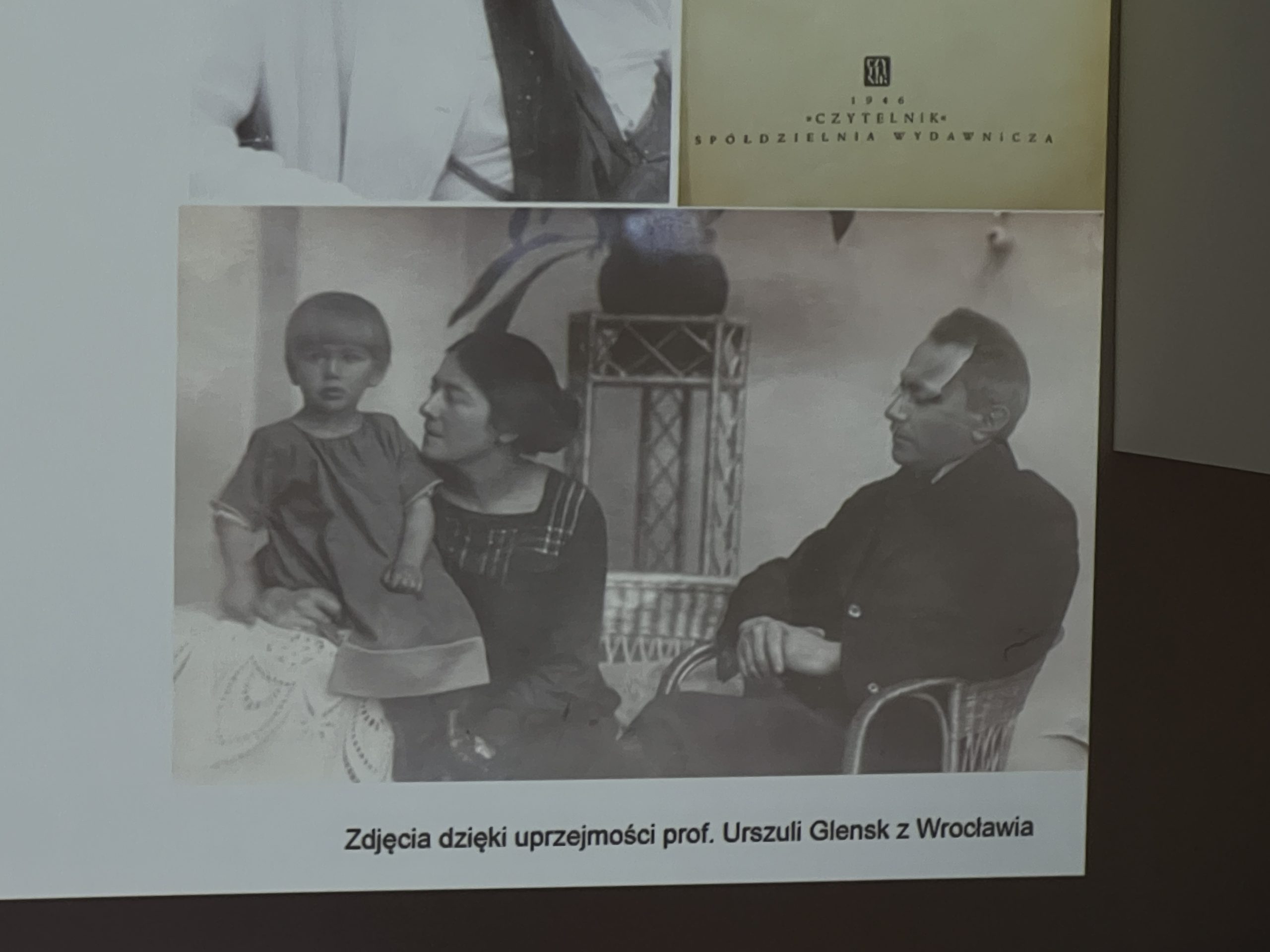
The seminar combined a historical perspective with the outstanding clinical achievements of Lublin’s haematologists. On this occasion, there was extensive discussion of the connections between Lublin and Ludwik and Hanna Hirszfeld, for whom the city was their first stop after years of hiding during the war, and in particular the role they played in the development of Lublin’s medical and academic community.
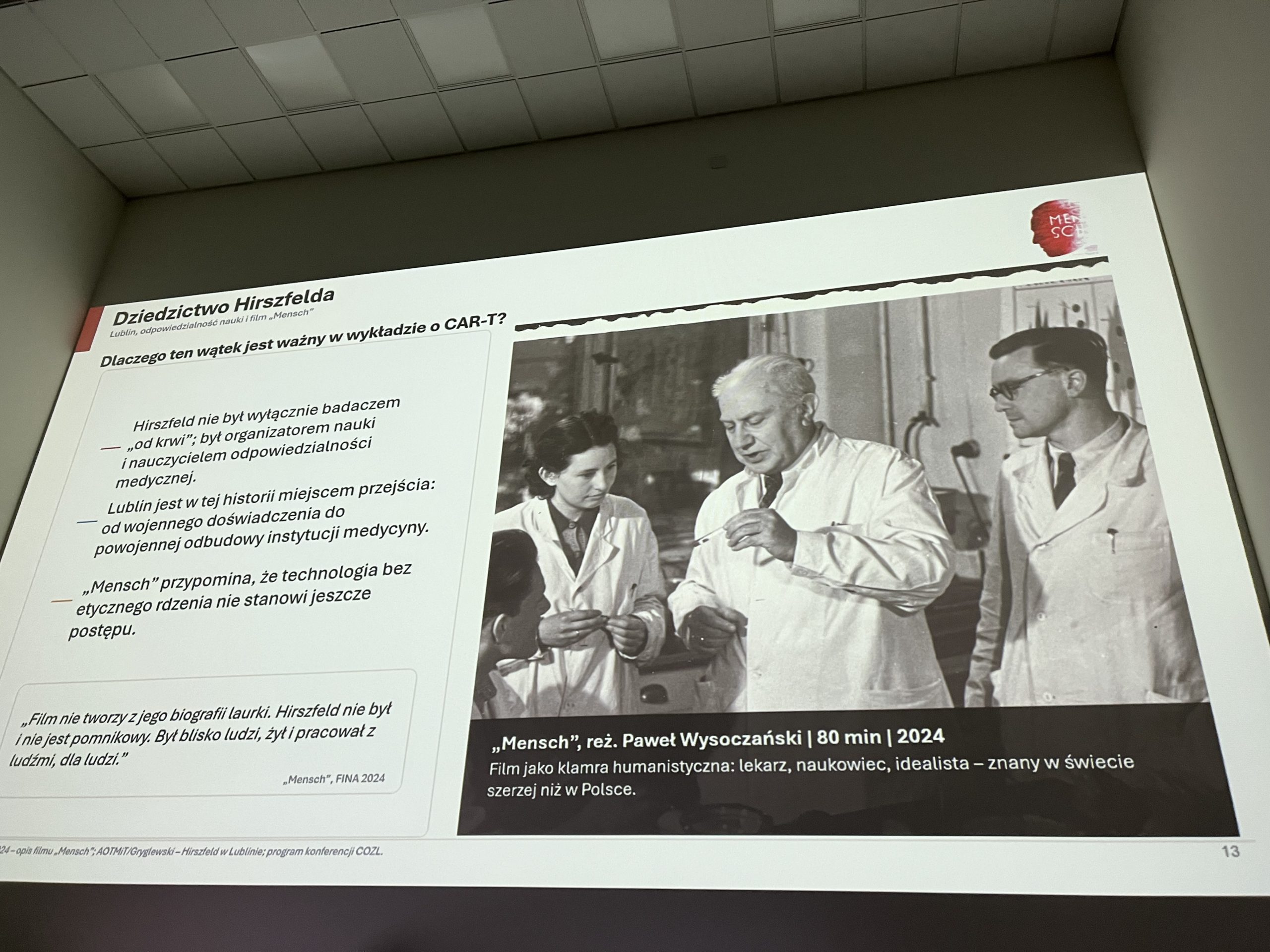
The conference programme included excellent lectures by haematologists from the COZL talks by historians, a screening of the biographical film about Ludwik Hirszfeld, ‘Mensch’, and a panel discussion on the Hirszfeld legacy and future directions in modern haematology and transplantology.
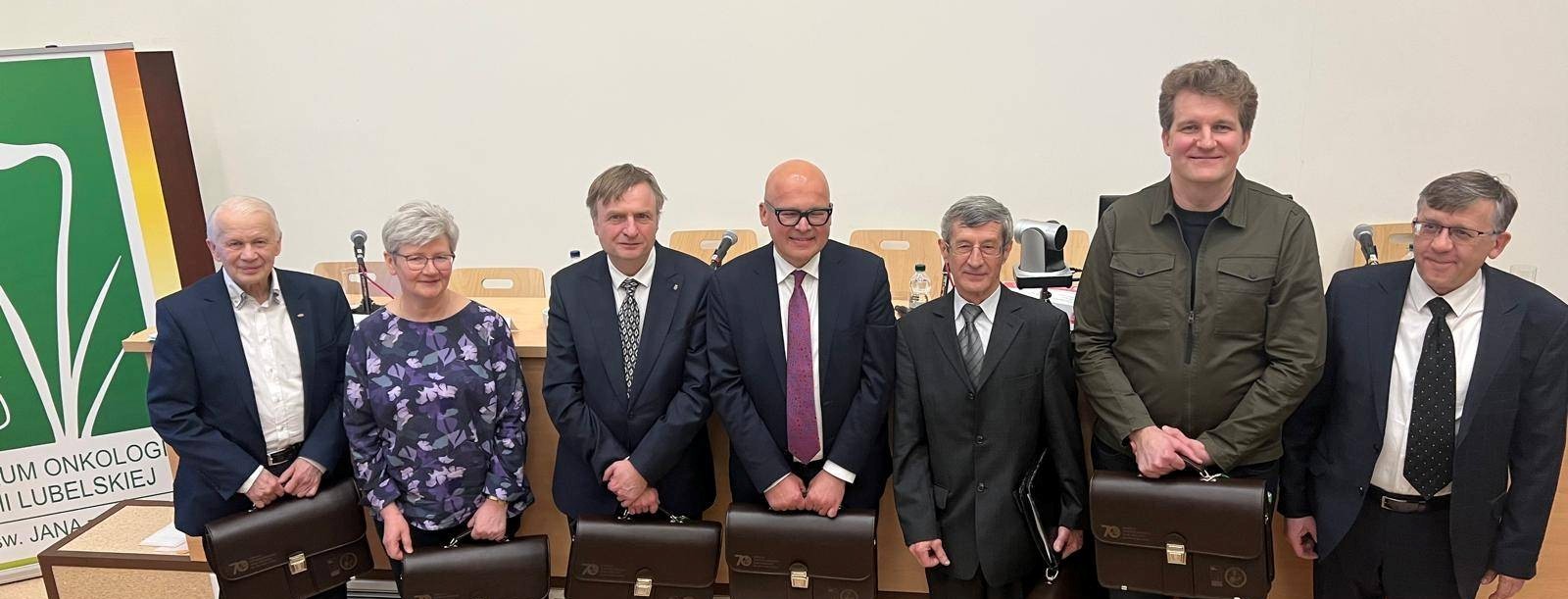
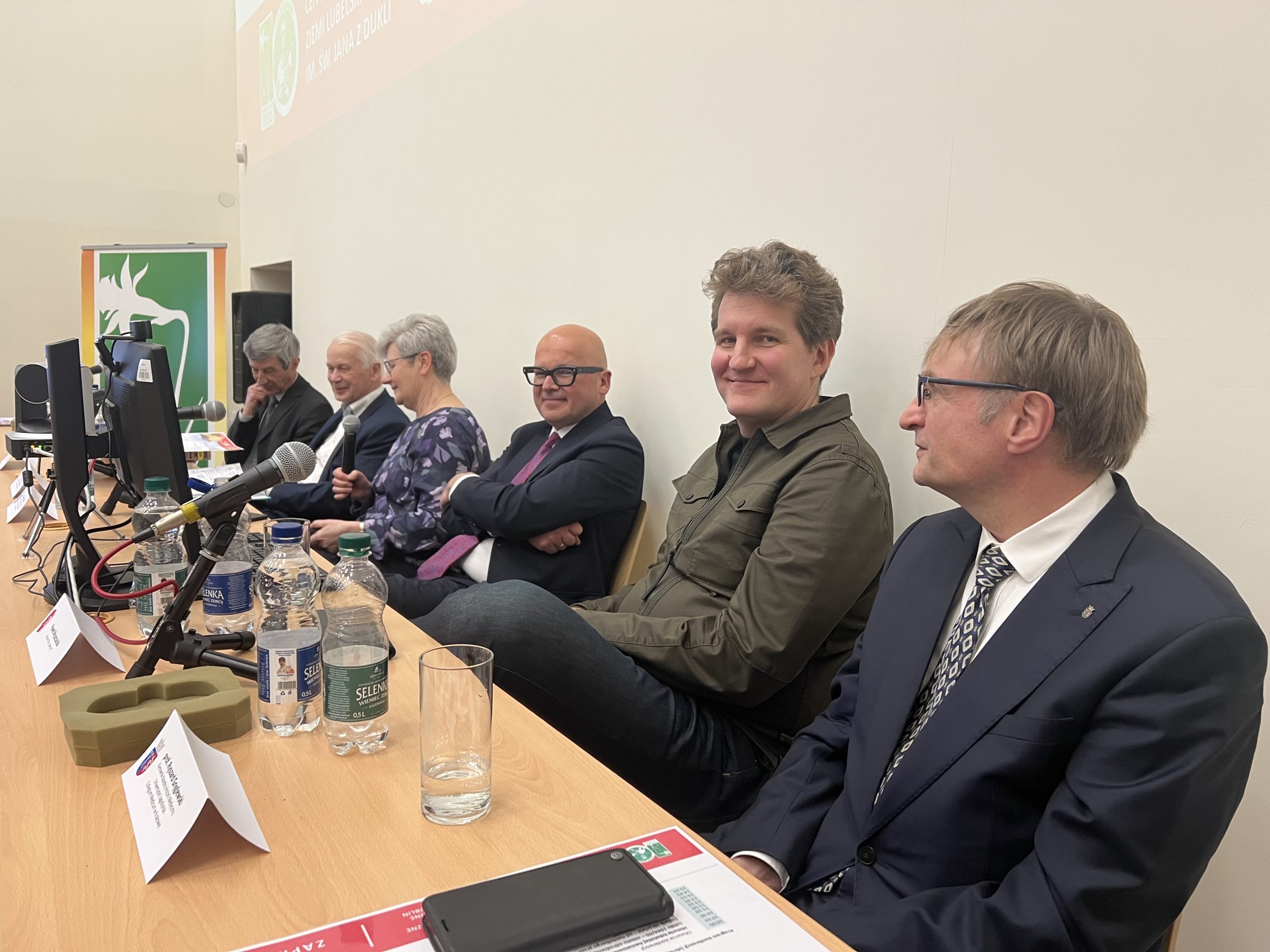
The event was dedicated to the large number of doctors, researchers and medical students in attendance, as well as to those interested in the development of medicine in Poland and its humanistic dimension. The discussion panel ‘The Hirszfeld Legacy in Lublin’ was moderated by Prof. Jerzy Węcławski from the Faculty of Economics at UMCS in Lublin and Bogumiła Szponar, PhD, DSc, from the Laboratory of Medical Microbiology at the IIET PAS of the Polish Academy of Sciences. Participants in the discussion included Prof. Wiesław Wiktor Jędrzejczak, haematologist (Warsaw Medical University), Prof. Ryszard Gryglewski, historian (Collegium Medicum of the Jagiellonian University), Prof. Artur Jurczyszyn, haematologist (Collegium Medicum of the Jagiellonian University) and Mr Paweł Wysoczański, director of the film “Mensch”.