
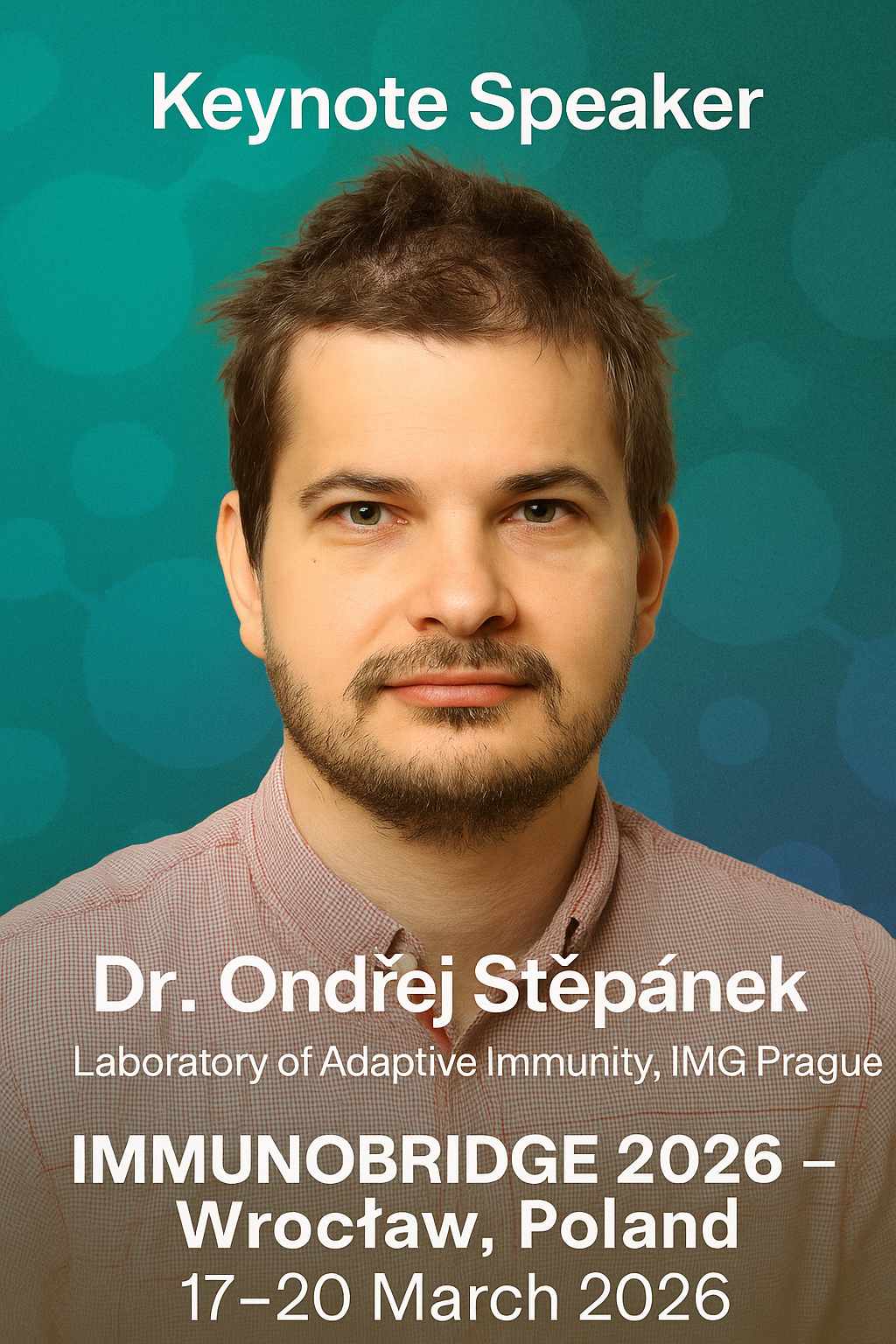
Ondrej Stepanek is an expert in the field of T cell receptor (TCR) signaling and adaptive immunity. He has more than 15 years of experience in research on T cell biology, spanning molecular mechanisms of receptor signaling, thymic development, and effector and regulatory T cell responses. Following his doctoral training at Charles University and the Institute of Molecular Genetics (IMG) in Prague, he pursued postdoctoral research at the University Hospital Basel, where he made fundamental contributions to our understanding of TCR tolerance mechanisms.
Since establishing the Laboratory of Adaptive Immunity at IMG in 2016, Dr. Stepanek has developed an internationally recognized research program that dissects how T cells integrate signals from their receptors and co-receptors to make fate decisions. His group has uncovered unique roles of co-receptor–bound LCK in helper and cytotoxic T cells, identified a new IL-17 receptor subunit critical for T cell-mediated autoimmune pathology, and revealed novel mechanisms governing self-tolerance and functional T-cell diversity.
To directly connect mechanism to physiology, his team makes extensive use of animal models, including syngeneic tumor models, autoimmune models driven by IL-17 signaling, and thymic development models elucidating lineage choice and co-receptor/LCK control of self-reactivity. These approaches have enabled the lab to bridge molecular immunology with disease-relevant biology.
Dr. Stepanek is the recipient of an ERC Starting Grant (2019) and an ERC Consolidator Grant (2025), the only ERC grants in the field of immunity and immunotherapy (LS6) ever awarded in Czechia, and an EMBO Installation Grant. He is also a laureate of the J.E. Purkyne Fellowship of the Czech Academy of Sciences and the Eastern Star Award of the European Federation of Immunological Societies. His laboratory regularly publishes in prestigious journals such as Nature Immunology, Nature Communications, EMBO Journal, eLife, and actively collaborates across Europe and beyond.
In addition to leading cutting-edge research, Dr. Stepanek is deeply committed to mentoring the next generation of immunologists, having supervised more than 15 PhD and MSc students. He teaches immunology courses at Charles University and serves on national and international evaluation panels. He is regularly invited to speak at international conferences and seminars.
At the ImmunoBridge 2026 conference, Dr. Stepanek will deliver a keynote lecture titled “Signaling pathways shape the outcomes of T-cell fate choices.”
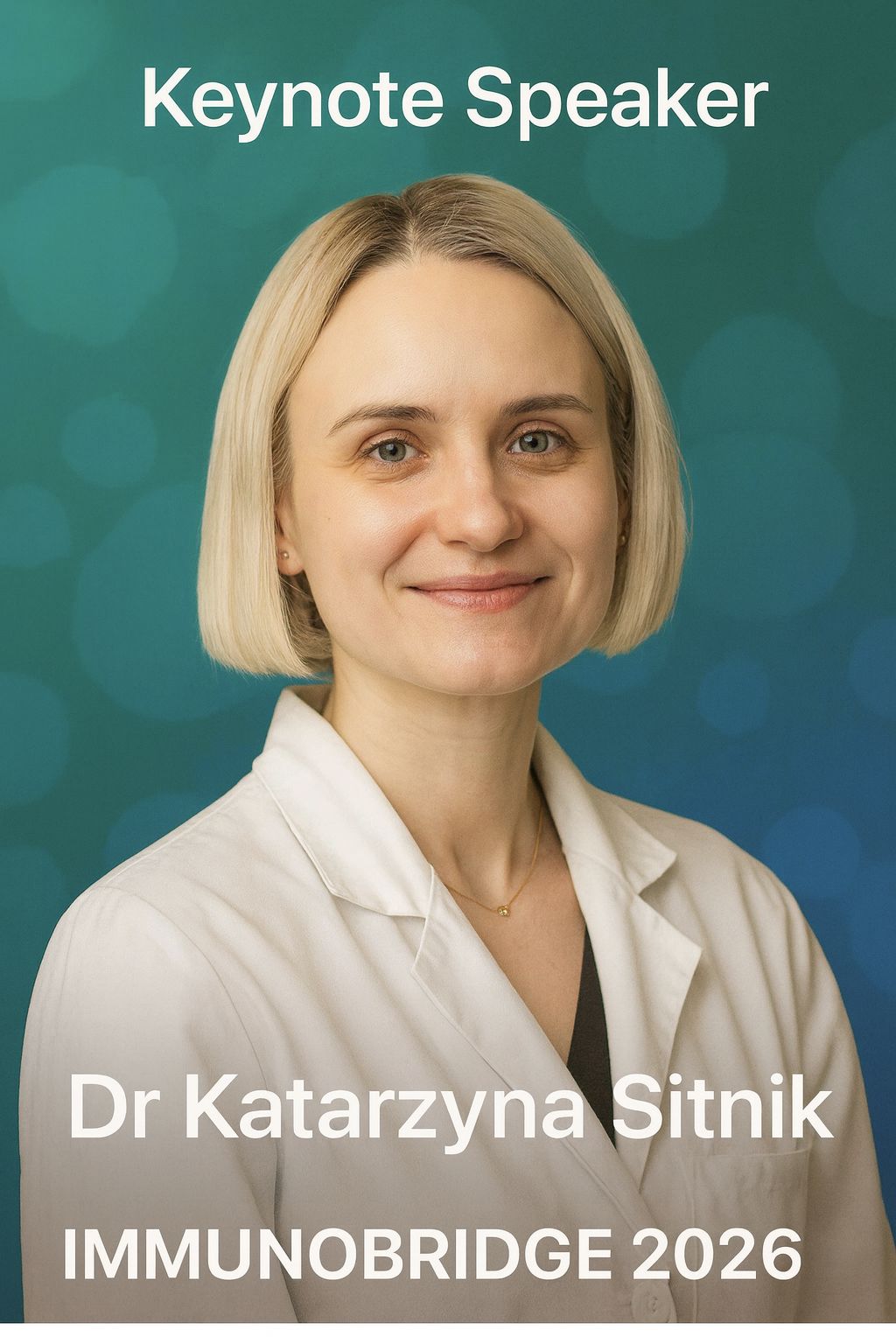
Katarzyna studied biotechnology at the Jagiellonian University in Kraków and subsequently earned her PhD in biomedicine at the Faculty of Medicine at Lund University in Sweden. She completed postdoctoral training in immunology at the Technical University of Denmark in Copenhagen and in virology at the Helmholtz Centre for Infection Research in Germany.
Since 2024, Katarzyna has been a tenure-track assistant professor and research group leader in stromal cell biology at the Department of Biomedical Sciences at the University of Veterinary Medicine Vienna in Austria. Her research integrates expertise in fibroblast biology, immunology, and virology to investigate how stromal cells contribute to immunomodulation and host–microbe interactions.
In her keynote talk, Lymphoid Tissue Fibroblasts in Immunity and Infection, Katarzyna will discuss the emerging roles of stromal fibroblasts in shaping immune responses and influencing outcomes of infection, highlighting new perspectives and potential therapeutic opportunities.
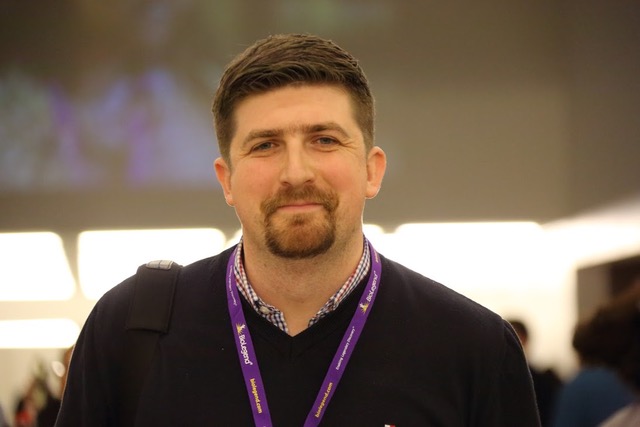
Session Expert:
During the session on hypersensitivity, Andrzej Eljaszewicz, PhD, will serve as the expert. Dr. Eljaszewicz is a medical biotechnologist and immunologist, currently acting as the Director of the Centre for Regenerative Medicine at the Medical University of Białystok, Poland, and serving as the Head of the Tissue and Cell Bank at the University Clinical Hospital in Białystok.
He is also the Editor-in-Chief of the Central European Journal of Immunology, the official journal of the Polish Society for Experimental and Clinical Immunology, and an active member of the European Academy of Allergy and Clinical Immunology (EAACI), where he currently serves as Secretary of the Immunology Section.
Dr. Eljaszewicz leads a young and dynamic research team focused on advancing translational approaches in immunology and regenerative medicine. His scientific work centers on the immunopathology of asthma, with particular interest in airway remodeling, extracellular matrix dynamics, and immune regulation. In parallel, he leads translational research on next-generation biological wound dressings, including ECM-based scaffolds, mesenchymal stem cell–derived products, and extracellular vesicles, aimed at improving therapies for chronic and hard-to-heal wounds.
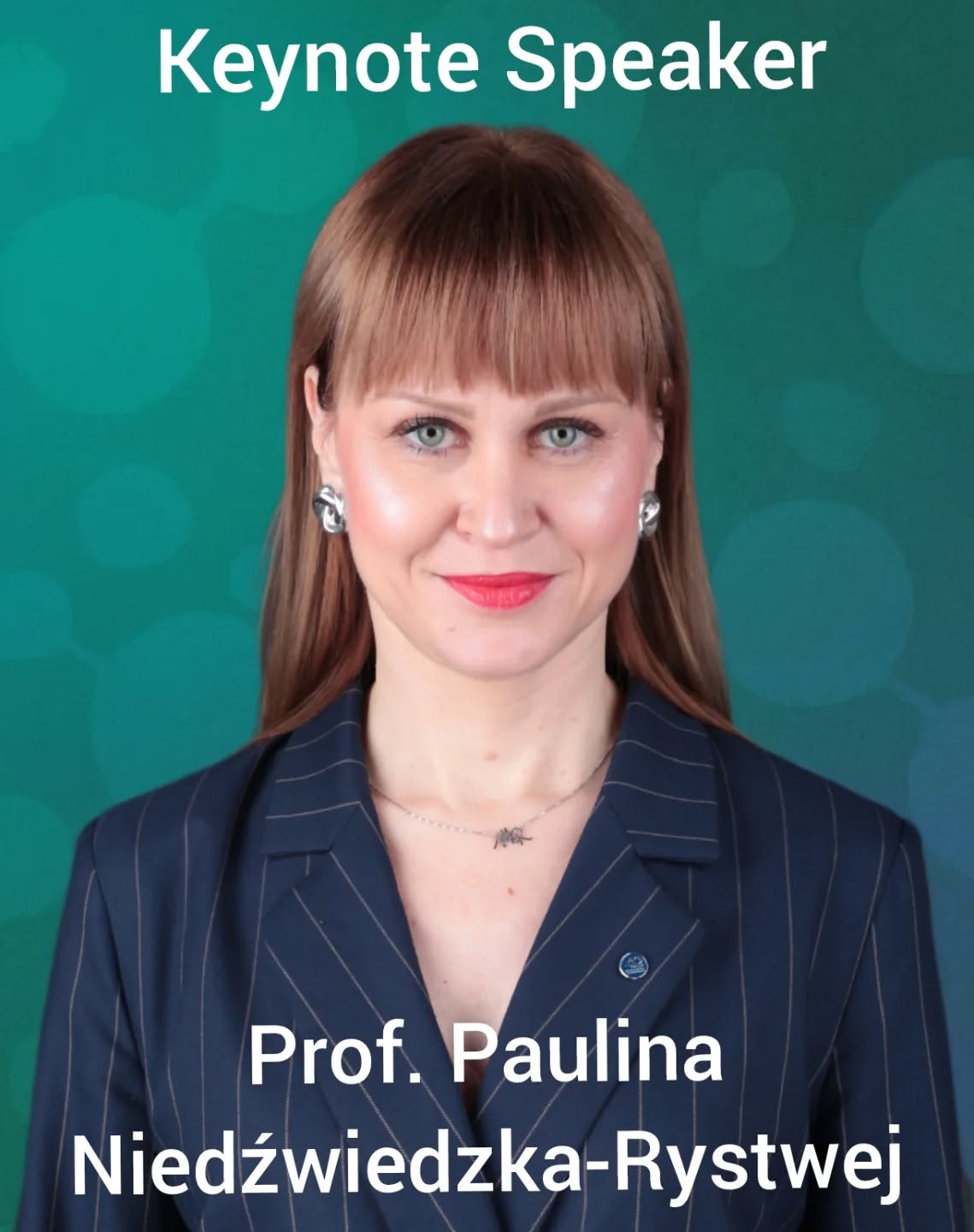
Dr. hab. Paulina Niedźwiedzka-Rystwej, professor at the University of Szczecin, leader of the research team of experimental immunology and immunobiology of infectious and cancer diseases at the Institute of Biology of the University of Szczecin, Poland, Director of the Center for Experimental Immunology and Immunobiology in Infectious Diseases and Cancer, University of Szczecin, Szczecin, Poland, Deputy Director of the Institute of Biology at the University of Szczecin. She has been associated with the University of Szczecin since the beginning of her scientific career in 2005. Author and co-author of over 200 scientific papers on veterinary immunology, virology, and immunobiology of infectious and cancer diseases, with a total IF of over 260. She conducts research on the mechanisms of immune response in infectious and cancerous diseases, focusing on phenomena such as apoptosis, autophagy, and T-cell exhaustion. Her work includes, among others, analysis of the immune response in rabbits infected with various strains of the Lagovirus europaeus virus and research on the activation of apoptosis in infections caused by this pathogen. In addition, she evaluates the antimicrobial and anticancer properties of bee products, such as honey and propolis, studying their therapeutic potential in the context of cancer and infectious diseases. She is the founder of the IMMUNO Apiary, established in 2022 at MOBI Kulice. She is also the co-author of translations of textbooks on immunology and the president-elect of the Polish Society for Experimental and Fundamental Immunology. She has been a keynote speaker at numerous international immunology conferences, co-founder of the First International School of Immunology in Poland. Recipient of grants from the National Science Centre, and the National Centre for Research and Development in the field of veterinary immunology and infectious diseases in humans. Winner of awards for scientific activity, including the West Pomeranian Nobel Prize, as well as teaching awards, e.g., Faculty Mentor, Medal of the National Education Commission. Certified mentor and tutor. At the ImmunoBridge 2026 conference, Dr. hab. Paulina Niedźwiedzka-Rystwej will deliver a keynote lecture titled Exhausted but Not Defeated: How PD-1 Pathways Influence Anti-Cancer Immunity.
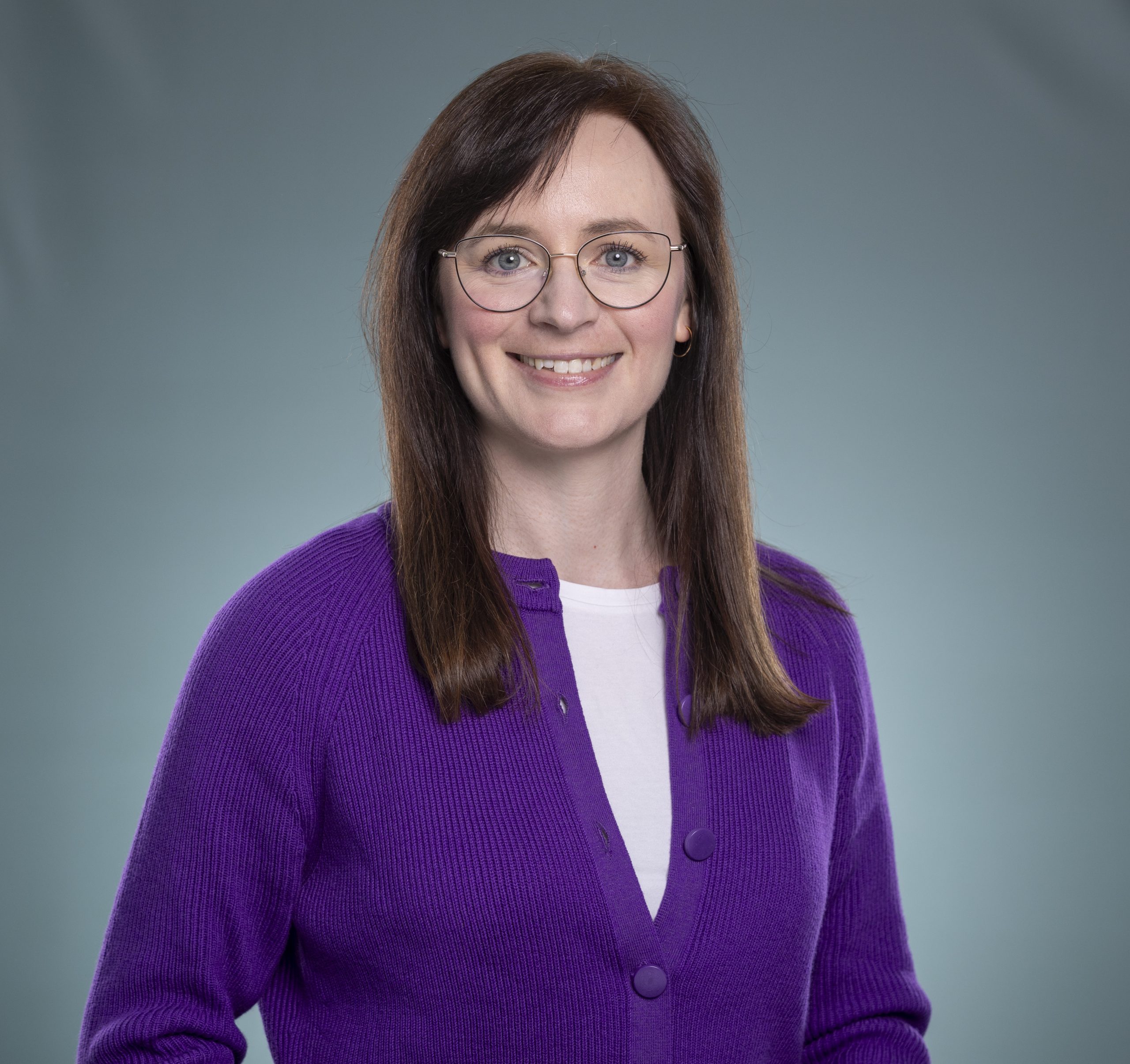
Dr. Róisín McManus completed her PhD at Trinity College Dublin under the joint supervision of Prof. Marina Lynch and Prof. Kingston Mills (2015) where she studied the effect of infection on the brain with age and Alzheimer’s disease (AD). Róisín then moved to Germany where she first worked with Prof. Dr. Michael Heneka (2015-2021) and then Prof. Dr. Eicke Latz (2021-2024) at the Institute of Innate Immunity, University of Bonn and the German Centre for Neurodegenerative diseases (DZNE),where she uncovered a new role for NLRP3 in the progression of AD and dementia. In 2024, Róisín was awarded a Fellowship from the DZNE to establish her own independent research group, ‘Translational Neuroimmunology’. The group make use of preclinical models and clinical samples to uncover how environmental factors like diet contribute to the progression of dementia. Róisín and her team are particularly interested in the role of chronic innate immune activation and metabolic signaling pathways in this process.
At the ImmunoBridge 2026 conference, Dr. Róisín McManus will deliver a keynote lecture titled ,,Microglial innate immune signalling as a driver of dementia”.
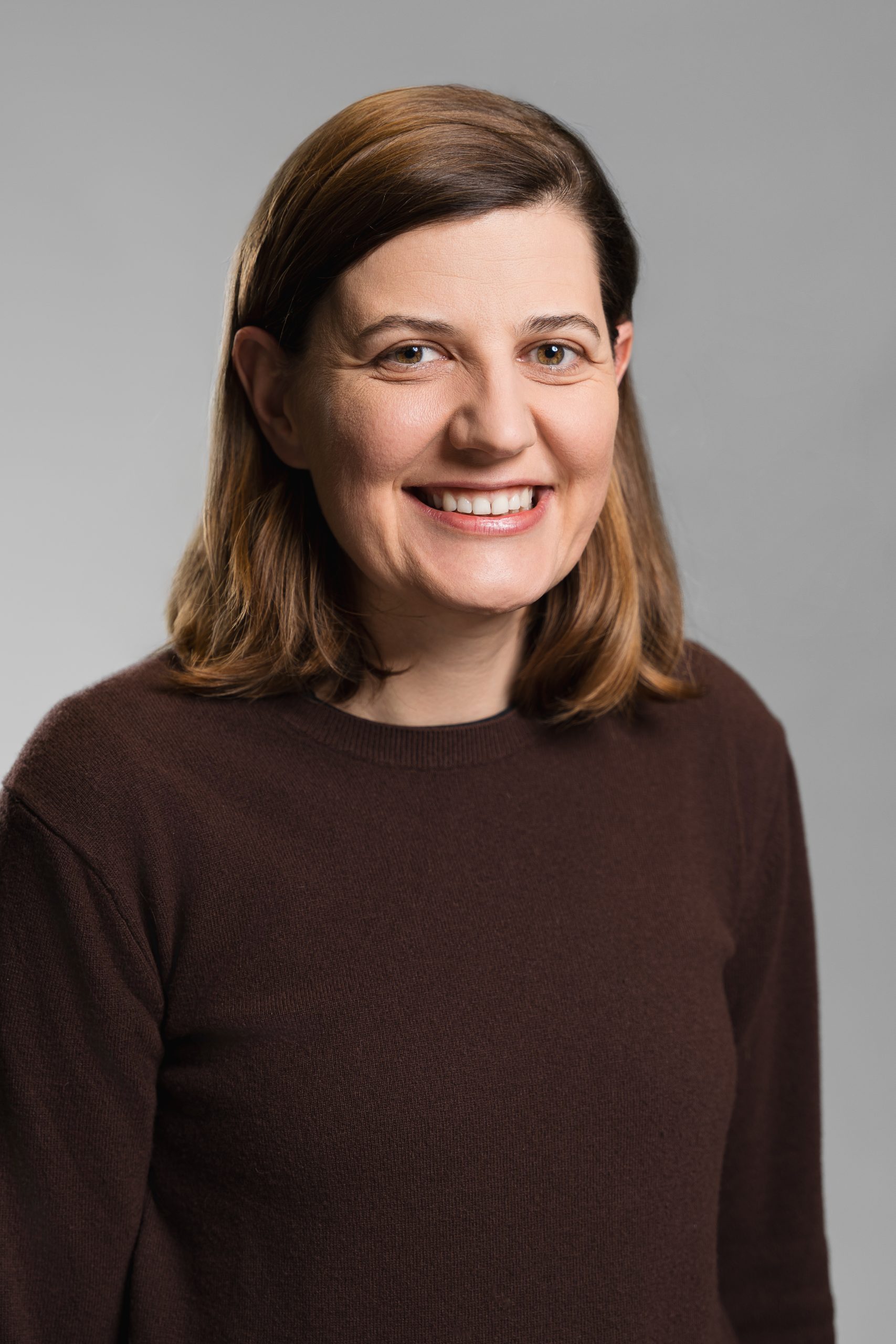
Dr Aleksandra Kołodziejczyk is a specialist in single-cell transcriptomics and host–microbiota interactions. During her PhD at the Wellcome Sanger Institute, she developed foundational methods for analysing single-cell RNA-seq data, including approaches to quantify technical variability and identify low-quality cells. She applied these techniques to explore the heterogeneity of T cells and mouse embryonic stem cells, demonstrating that variability within the core pluripotency network is shaped by culture conditions.
In her postdoctoral work, Dr Kołodziejczyk investigated how the microbiota influences immune and metabolic responses across tissues in both animal models and clinical contexts. Using large-scale single-cell profiling, she identified tissue-specific host responses to the microbiota and uncovered shared transcriptional activation programs in liver-resident cells driven by Myc. Her research also revealed microbiota-derived metabolites that regulate body weight after smoking cessation and mechanistic links between hyperglycaemia, dendritic-cell dysfunction, and increased susceptibility to viral infections.
Dr Kołodziejczyk is also engaged in comparative immunology, studying conserved and divergent antiviral programs in bats, rodents, and primates, with a focus on mucosal immunity and complement system evolution.
During the conference, Dr Kołodziejczyk will serve as an expert in the session on microbiome immunology.

Dr. Ali Jawaid, MD, PhD, is a physician-scientist with training in both clinical and basic neuroscience. He is a Principal Research Investigator at the Research Network Łukasiewicz – PORT Polish Center for Technology Development. He completed his medical studies at the Aga Khan University in Karachi, Pakistan, followed by a fellowship in Neuropsychiatry at Baylor College of Medicine in Houston, USA. He subsequently earned an MD-PhD in Neuroscience in Switzerland (dual PhD degrees from the UZH/ETH International Program in Neuroscience and the UZH MD-PhD Program, 2016), and continued with a postdoctoral fellowship in Neuroepigenetics at ETH Zurich.
Dr. Jawaid has been an independent group leader since late 2020, investigating metabolic and epigenetic factors that shape susceptibility to neuropsychiatric disorders across the lifespan and across generations. He has authored more than 80 publications, including original research articles in top-tier journals such as Nature Neuroscience, Neuron, Nature Communications, EMBO Journal, and Translational Psychiatry, and currently holds an H-index of 33.
He is a member of the FENS-Kavli Network of Excellence, a prestigious platform of 30 outstanding European neuroscientists supported by the Federation of European Neuroscience Societies. Outside of science, he is also a fiction writer, poet, and virtual-reality enthusiast.
During the conference, Dr. Ali Jawaid will chair the Neuroimmunology Session and will lead the workshop ,,The Art of Public Speaking.”
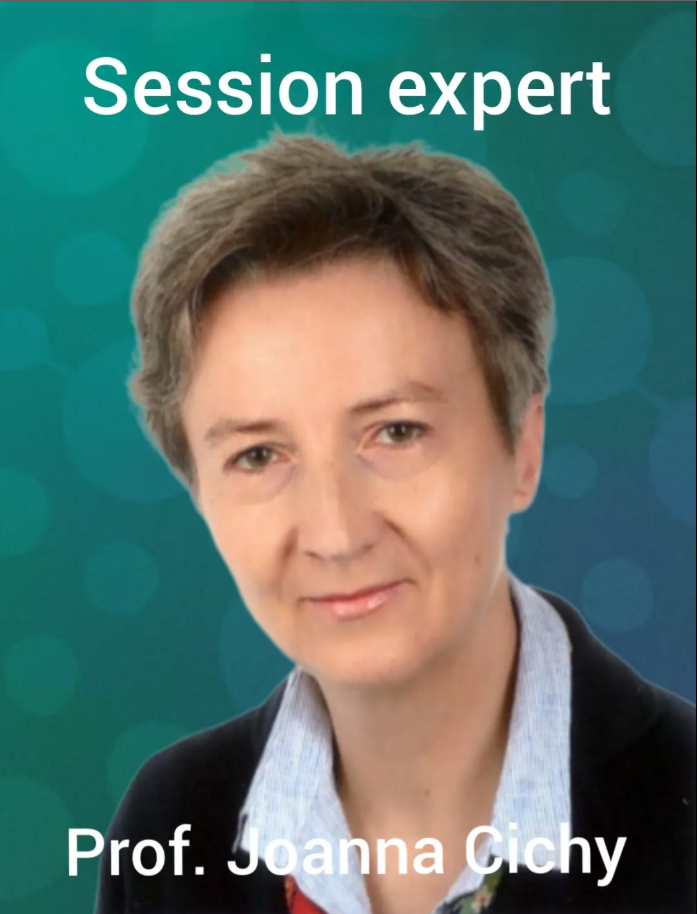
Joanna Cichy, PhD, DSc, Professor, Jagiellonian University
Prof. Joanna Cichy is an expert in the immunology of barrier organs with a primary focus on the skin. Her research group explores various aspects of skin defense, including immunology, neurology, antimicrobial products, interactions with microbiota, and adipocytes. Most recently, her work has centered on understanding the interactions between two complementary defense systems in the skin: the immune system with a focus on innate immunity and the sensory neuronal system. Prof. Cichy earned her PhD in Biochemistry from the Jagiellonian University (UJ) in Kraków, Poland. She has since held positions as a Postdoctoral Fellow at the Wistar Institute USA and as a visiting scholar at Stanford University USA. She is the author of over 90 publications and has received numerous national and international grants, including a Fulbright Fellowship and the Fogarty International Research Collaboration Award. Currently, she serves as a Professor and Head of the Department of Immunology at the Faculty of Biochemistry, Biophysics, and Biotechnology at UJ.
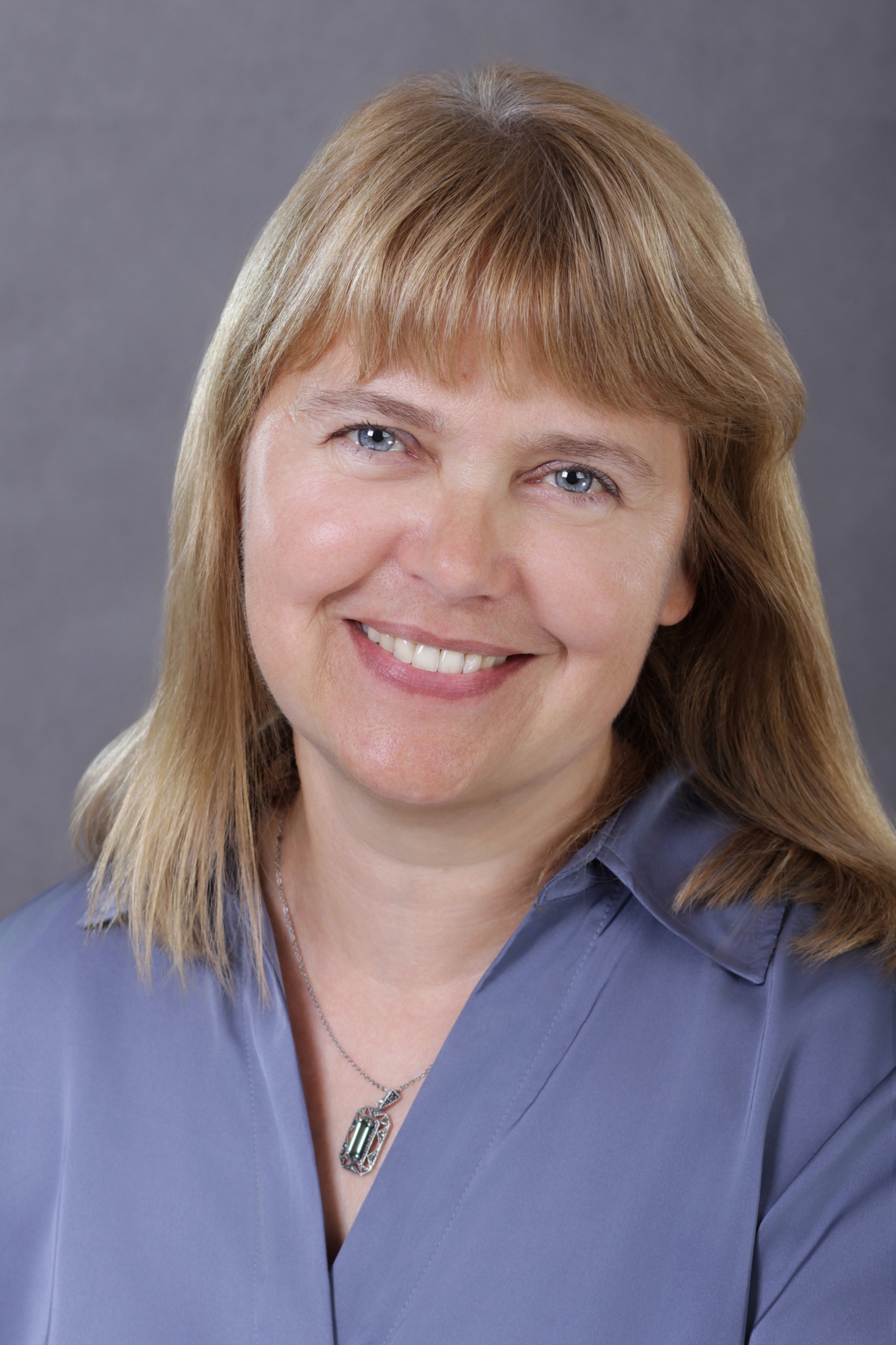
Mariola Paściak, PhD DSc, is a long standing member of the Laboratory of Medical Microbiology in the Department of Immunology and Infectious Diseases at the Institute of Immunology and Experimental Therapy in Wrocław. She has extensive expertise in elucidating the chemical structures and biological activities of various actinobacterial glycolipids and polysaccharides. As an expert in the taxonomy of Actinobacteria, she, along with her collaborators, established a novel genus called Ruania within the Actinobacteria class and characterised a few new species of Actinobacteria.
Mariola Paściak, a medical microbiologist, possesses unique skills in the deep diagnostics of clinical and environmental bacterial strains. She has significant knowledge and experience with MALDI TOF mass spectrometry, lipidomics, and other analytical methods. Her current research focuses on bacterial extracellular vesicles, including their compositional analysis and biological functions. She is a member of several scientific associations and actively participates in research collaborations, resulting in publications in highly regarded journals. She has supervised bachelor’s, master’s, and doctoral students and is currently overseeing two PhD students.
Dr Mariola Paściak will serve as an expert in the session on the Immunology of Infectious Diseases.

Dr. Louis Boon, CSO and Management Board Member at JJP Biologics, Warsaw, Poland
Dr. Louis Boon is the Chief Scientific Officer and a Management Board Member of JJP Biologics, an innovative Polish biotechnology company supported by the Starak family, focusing on the development of next-generation therapeutic biologics based on personalized medicine and companion diagnostics. He has founded multiple companies dedicated to the generation and development of therapeutic monoclonal antibodies, primarily in the fields of oncology and inflammation. Dr. Boon is the author of over 400 publications in international scientific journals in medical biotechnology and an inventor on more than 20 patent applications.
His research focuses on the mechanisms by which autoantigen-specific IgA autoantibodies contribute to the pathogenesis of multiple autoimmune and fibrotic diseases. In particular, he investigates how excessive IgA/autoantigen immune complexes trigger continuous CD89 (FcαRI)-mediated activation of myeloid cells, including neutrophils, leading to severe tissue damage. He has pioneered the use of autoantigen-specific IgA as a biomarker to stratify patients for personalized therapy.
At the ImmunoBridge 2026 conference, Dr. Louis Boon will deliver a keynote lecture titled:
“Anti-CD89 Antibody for Personalized Treatment of IgA-Mediated Inflammatory Disorders: Autoantigen-Specific IgA, a Biomarker with Strong Effector Functions”
The lecture will highlight the therapeutic potential of JJP-1212, a humanized anti-CD89 antibody, which interferes with the IgA/CD89 axis to resolve IgA/autoantigen-induced inflammation and prevent tissue damage in a variety of autoimmune disorders, enabling a precision medicine approach for patients with high levels of autoantigen-specific IgA.
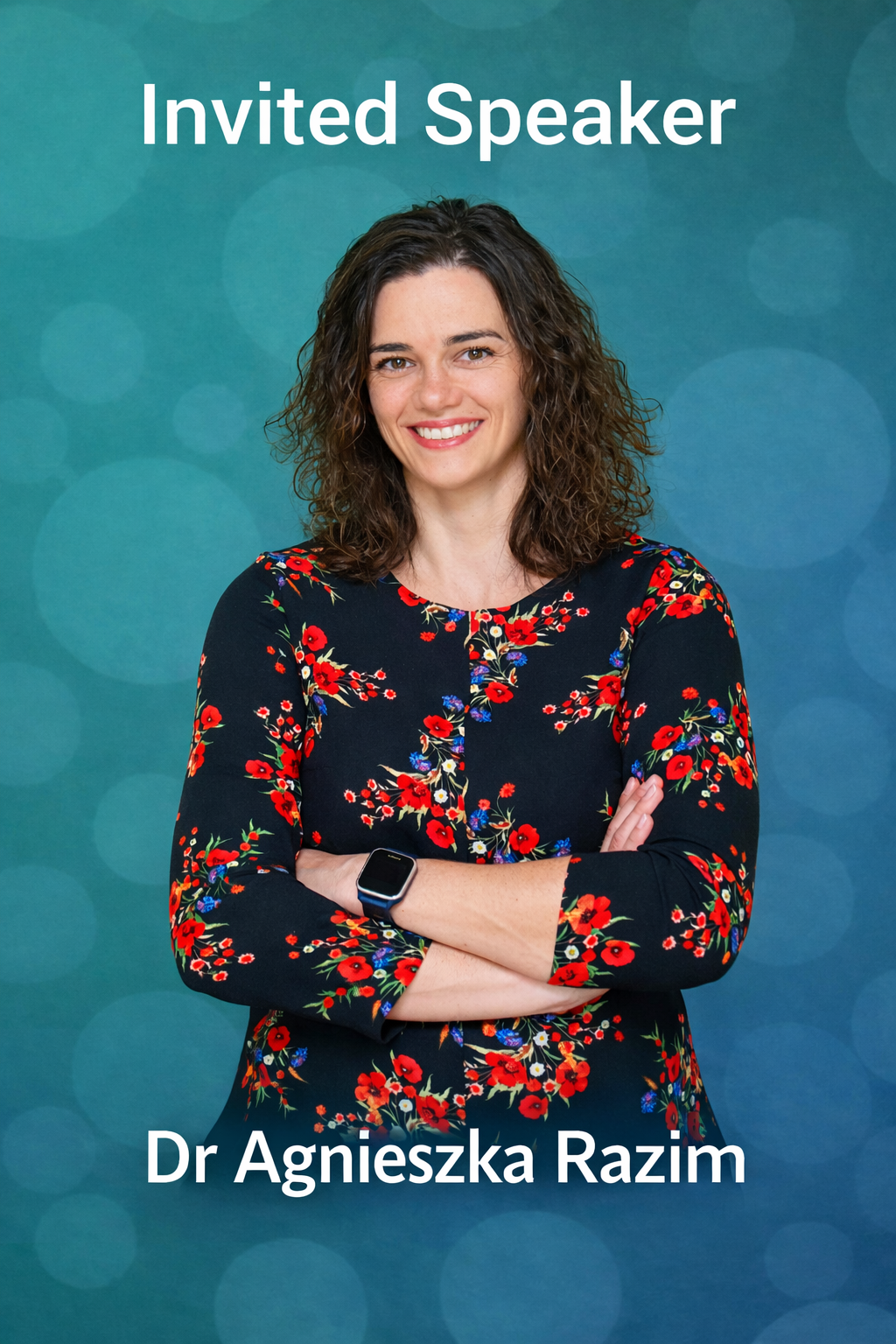
I am an Assistant Professor at the Hirszfeld Institute of Immunology and Experimental Therapy, Polish Academy of Sciences, and a former Marie Skłodowska‑Curie Postdoctoral Fellow at the Medical University of Vienna. I am currently running a SONATA research project. My research focuses on interactions between the microbiome and mucosal immune systems, particularly in the contexts of allergy and malnutrition; I study the role of bacterial extracellular vesicles in bacteria–host communication. I am also a science communicator, a holder of patents, and a recipient of the START2022 scholarship from the Foundation for Polish Science. Talk title ,,Building your academic CV: defining long-term goals, writing competitive research proposals and more.”
Photo: Leszek Zych/POLITYKA
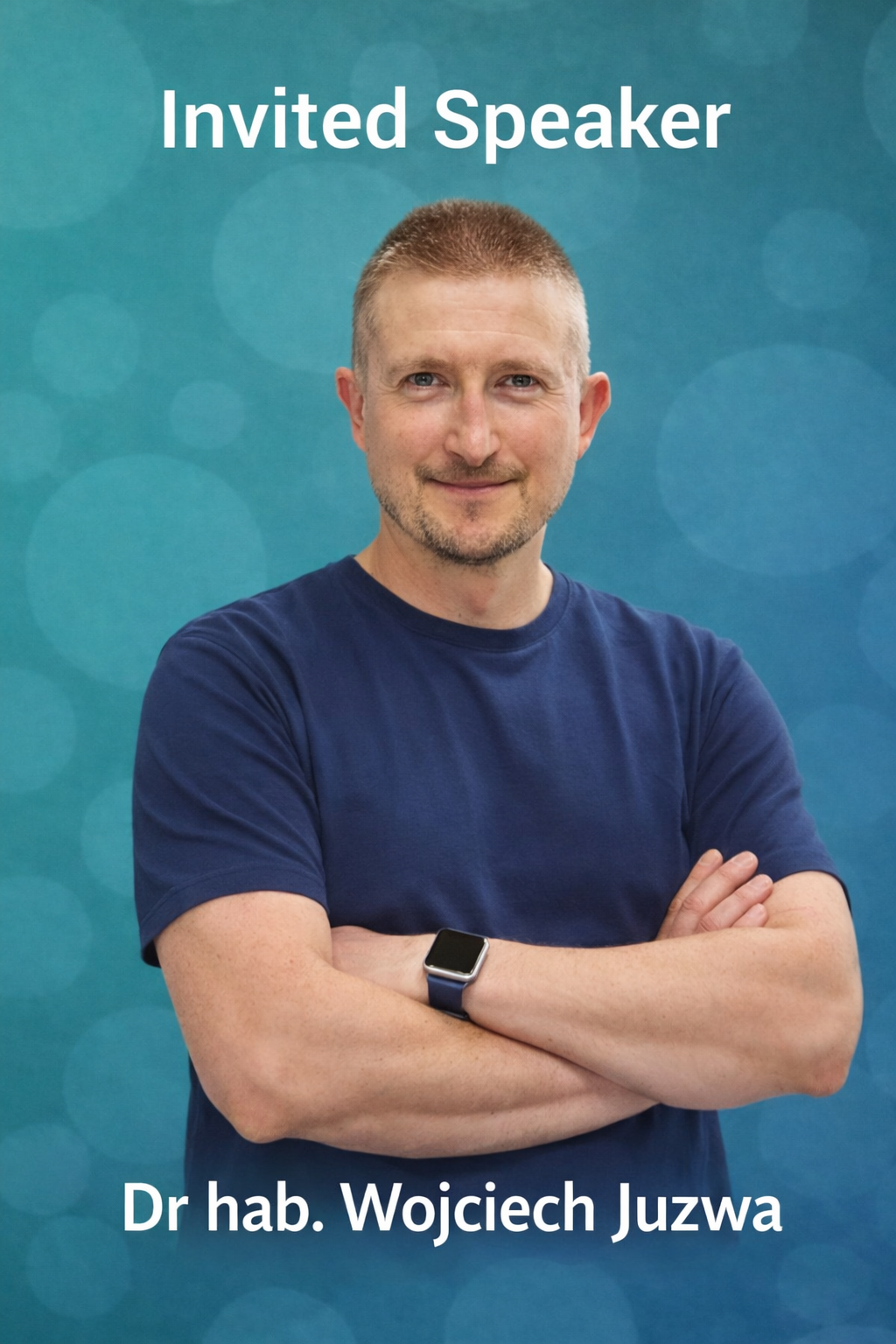
Wojciech Juzwa (Associate Professor, PhD) has been working since 2010 at the Department of Biotechnology and Food Microbiology at the Poznań University of Life Sciences, dealing with the analysis and sorting of eukaryotic and prokaryotic cells using conventional flow cytometers, cell sorters, and imaging instruments. Wojciech Juzwa specializes in investigation of the structural and functional cellular parameters using routine and self-created analytical protocols, which he develops for various stages of cytometric experiments. Currently, his scientific and translational focus is on
i) utilizing a combination of cytometry with imaging and cell sorting to improve precision of the definition of the sub-populations for sorting,
ii) troubleshooting in cytometric analysis and cell sorting, and
iii) improving the efficiency and viability of cells in sorting for cell therapy purposes (including Advanced Therapy Medicinal Products (ATMPs)).
The scientific output comprises 79 original research publications, including 70 indexed in the JCR database. The total Impact Factor is 303.183, the MNiSW score amounts to 8,050 points, the number of citations is 1,270, and the h-index is 20. At CYTO-LOGIC, he is the Head of the applications department. As a trainer within the Cyto-Logic Flow Academy, he conducts installation and application training and integrates the implementation of cell isolation systems for the preparation of ATMPs.