
The conference on modern cancer therapies has become one of the most important scientific and medical events – the gathering brought together leading specialists in the fields of medicine and biotechnology, as well as representatives of patient organisations, creating a space for meaningful discussion about the future of cancer treatment.
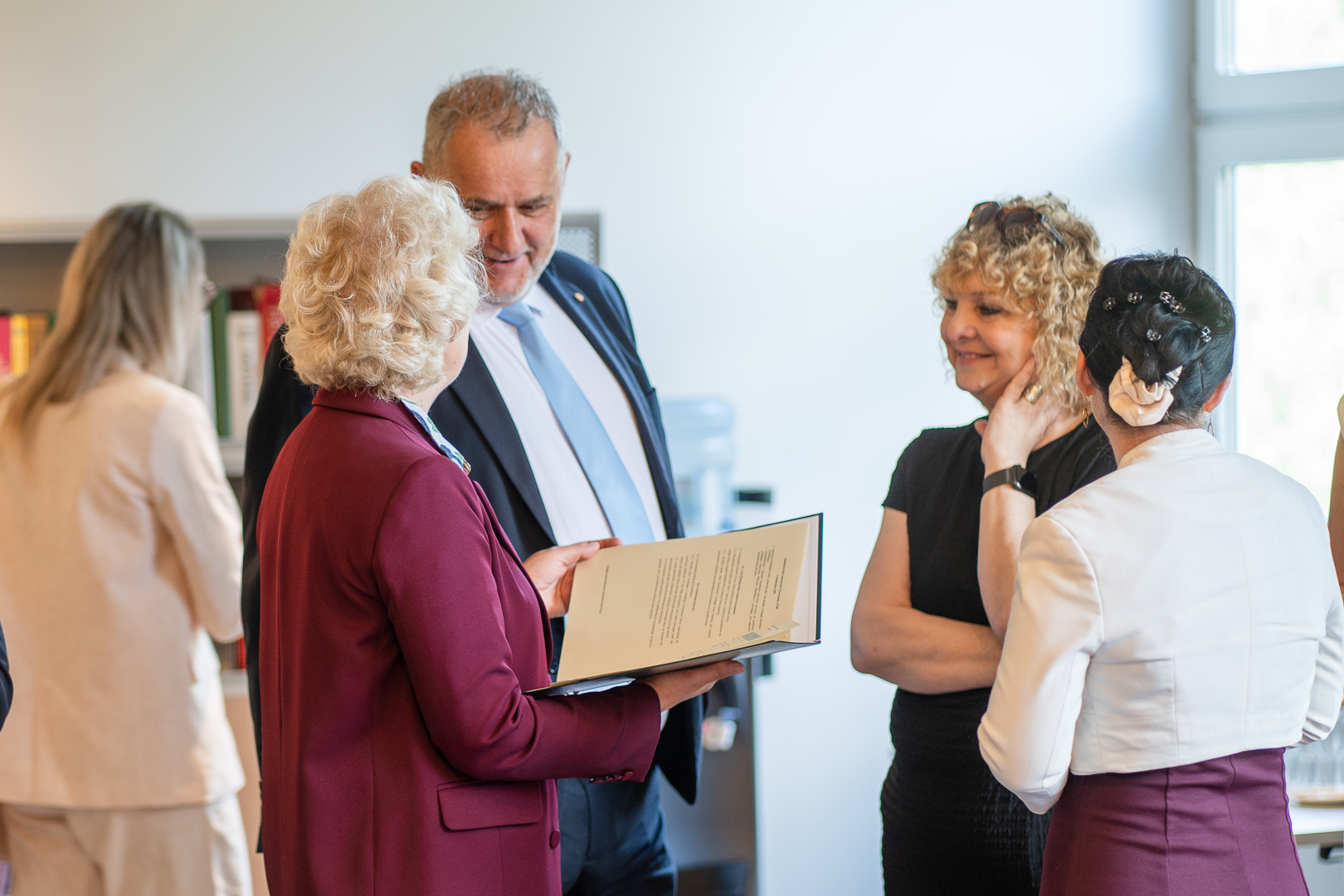
Right at the start of the event, its overarching aim – the patient’s well-being – was emphasised. As noted, the development of modern therapies cannot be an end in itself, but must translate into a tangible improvement in the availability of treatment and the effectiveness of therapies. Of particular significance was the signing of an agreement to establish Poland’s first academic network of laboratories for the manufacture of ATMP therapies, which represents a significant step towards reducing dependence on foreign technologies and increasing the availability of treatment within the country.
Throughout the conference, the importance of collaboration between science and clinical practice was repeatedly emphasised. As was pointed out, only the close integration of laboratory research with clinicians’ experience allows for the effective implementation of innovative therapies. It is precisely this approach that enables the development of treatment methods which, just a few years ago, remained solely in the realm of experimental research.
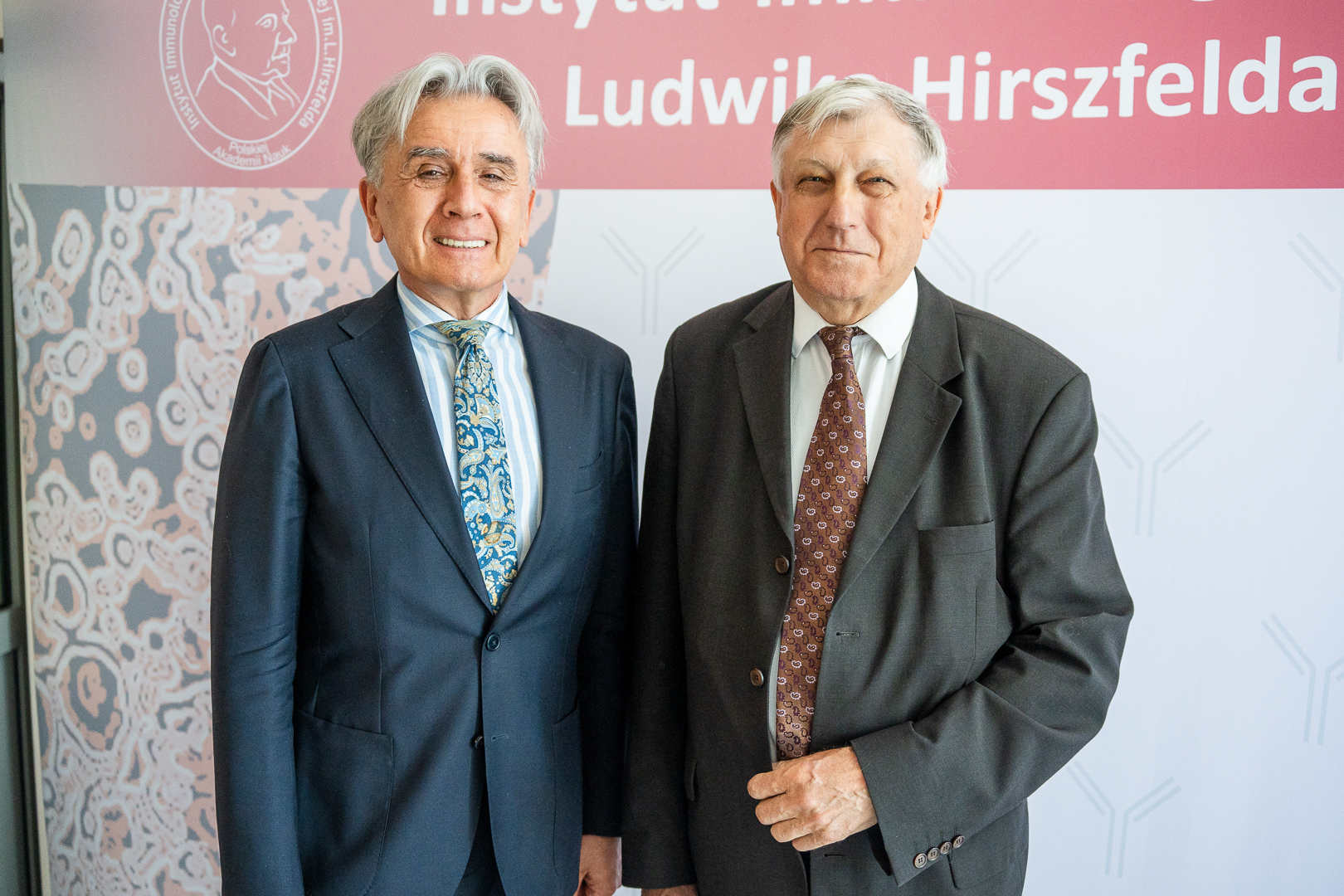
Professor Andrzej Gamian, Director of the IIET PAS, pointed out that cell therapies demonstrate that the future of oncology lies not solely in the development of new molecules, but also in the use of living cells as a precise therapeutic tool. The Wrocław meeting is preparing us to organise this future wisely in Poland – scientifically, clinically and systemically.
One of the key topics was CAR-T therapy – a groundbreaking treatment method that utilises modified cells from the patient’s immune system. Emilia Jaskuła, PhD, explained how it works, emphasising that it involves equipping lymphocytes with an additional receptor that enables them to precisely recognise and destroy cancer cells. As she pointed out, the effectiveness of this therapy in selected indications significantly exceeds that of standard treatments, and its development opens up entirely new therapeutic possibilities.
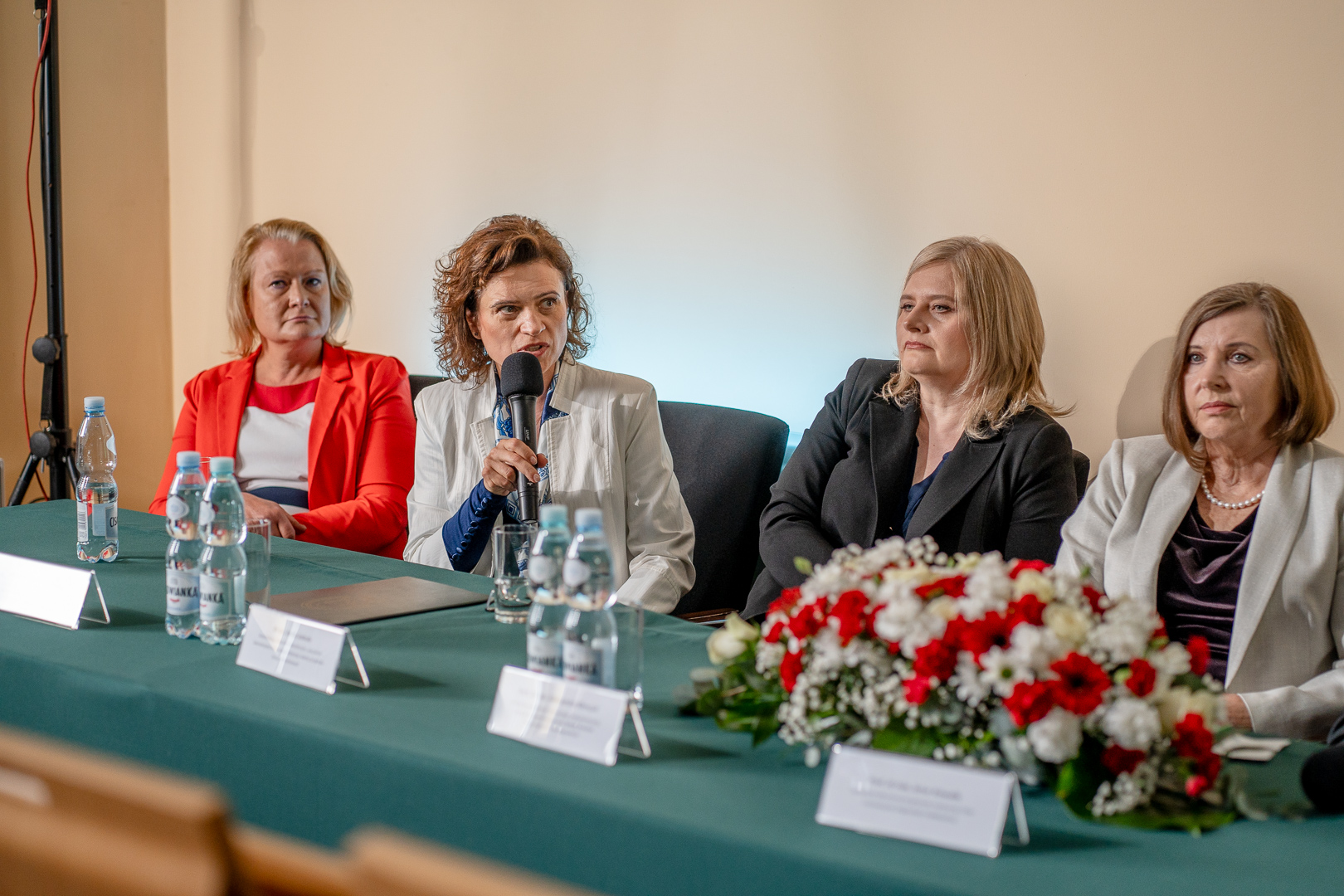
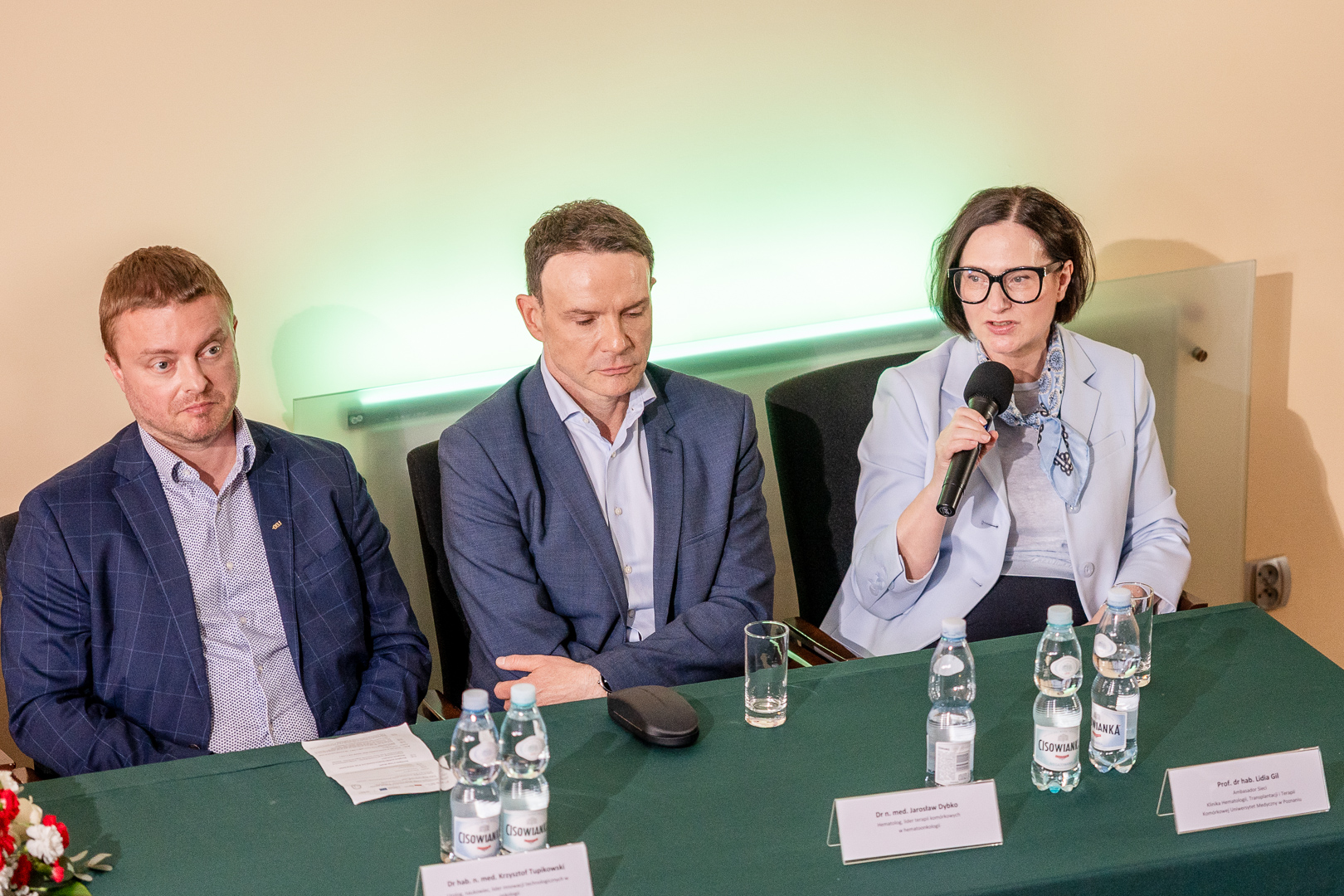
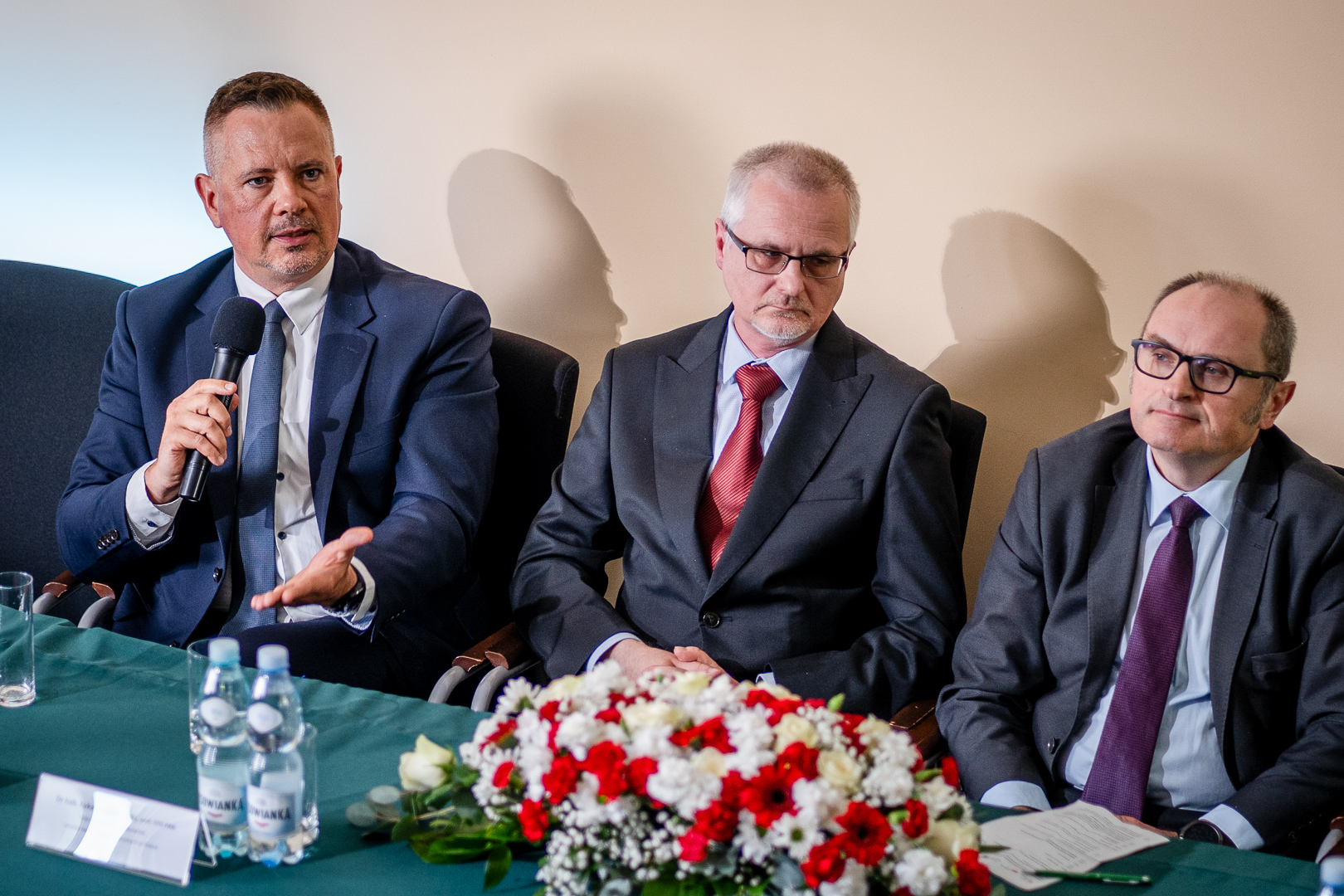
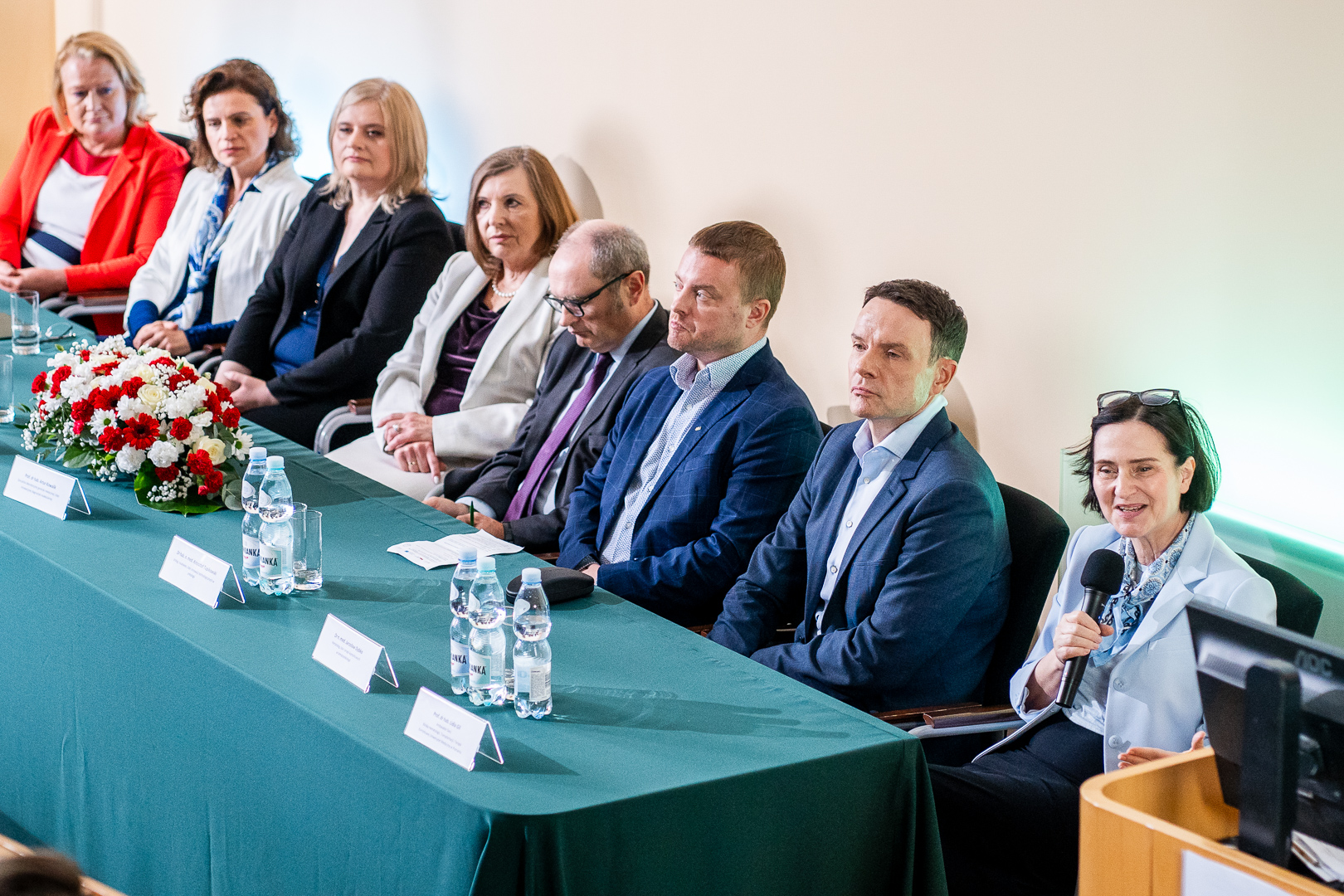
During the panel discussion, the experts unanimously pointed out that, although cell therapies represent a major breakthrough, they still face significant challenges. Professor Lidia Gil emphasised that this is one of the most advanced treatment methods currently available in medicine, yet only a fraction of patients who could benefit from it actually receive it. She highlighted the need to raise awareness and improve the organisation of the system for referring patients to the appropriate centres.
Jarosław Dybko, PhD, however, pointed out that consideration of CAR-T therapy should begin as early as the diagnosis stage. Planning a treatment pathway that incorporates modern methods can significantly improve patients’ chances of successful treatment.
The issue of treatment safety was also a key element of the discussion. Emilia Jaskuła, PhD, emphasised that the process of manufacturing cell therapies must meet the highest quality standards and take place under strictly controlled conditions, thereby guaranteeing patient safety.
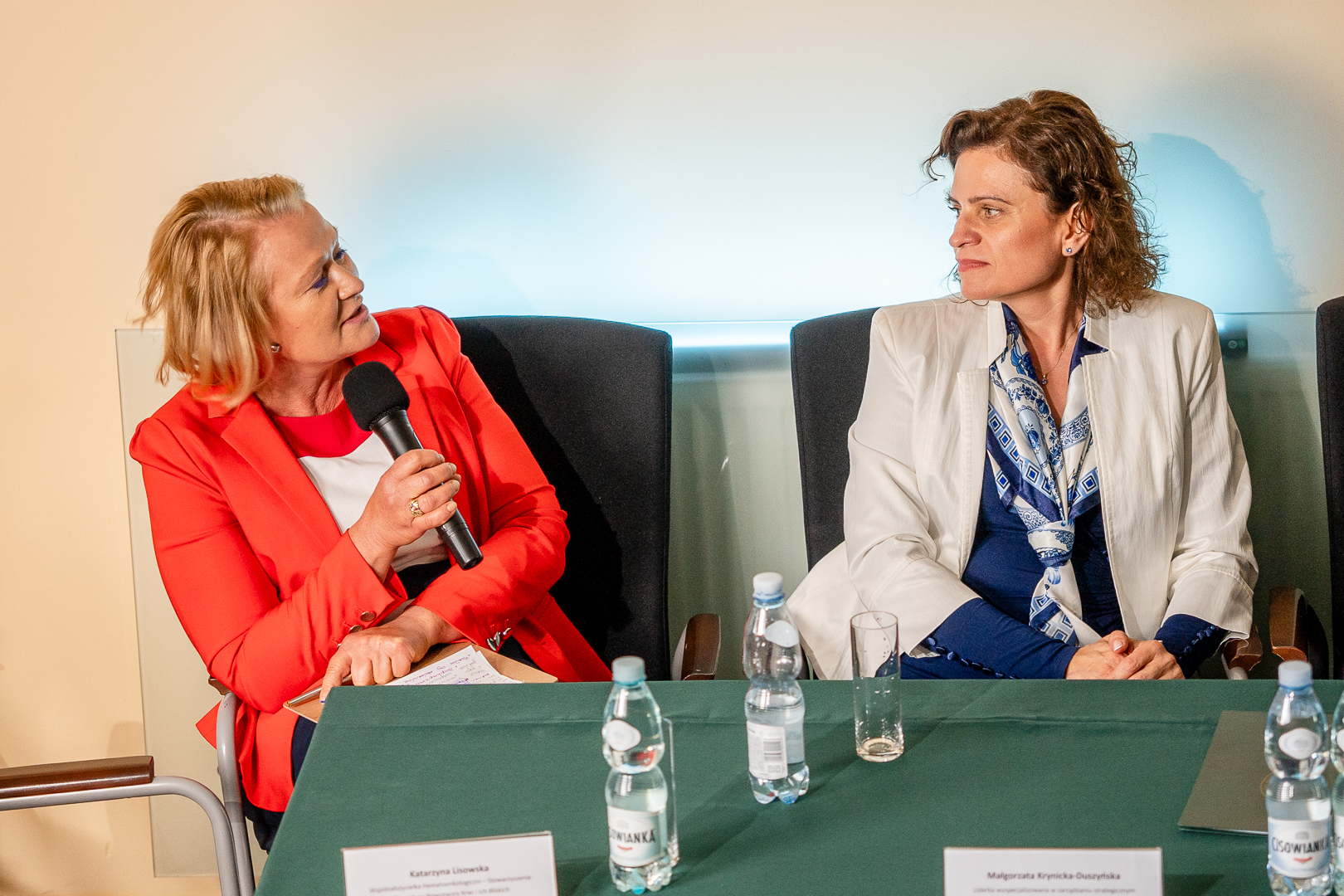
A particularly important contribution came from the patient representative, Katarzyna Lisowska, who drew attention to the real needs of patients. She emphasised that patients expect not only the development of new technologies, but above all their availability in clinical practice. She also pointed out that time is of the essence in the case of cancer, and delays in access to treatment can be a matter of life and death for patients.
Małgorzata Krynicka-Duszyńska also addressed this issue, highlighting the fundamental importance of access to modern treatments. She emphasised that patients have the right to access innovative treatments, and that medical progress should go hand in hand with ensuring that this access is a reality. Her remarks clearly highlighted the need to remove systemic barriers and to develop solutions that will enable the wider use of modern therapies in Poland.
The conference unequivocally demonstrated that we are at the dawn of a new era in cancer treatment. Cell therapies are no longer merely a promise for the future, but are becoming a real therapeutic tool. At the same time, the event highlighted the scale of the challenges – ranging from organisational and legislative issues to the need to educate both the medical community and patients.
The signing of the agreement to establish an academic network of ATMP laboratories can be regarded as a milestone in the development of Polish medicine. This initiative has the potential not only to increase access to therapies, but also to strengthen Poland’s position within the European research and innovation system.
The conference was therefore not merely a scientific event – it marked the beginning of tangible changes that may, in the future, help to save the lives and protect the health of thousands of patients.


fot. Tomasz Modrzejewski